
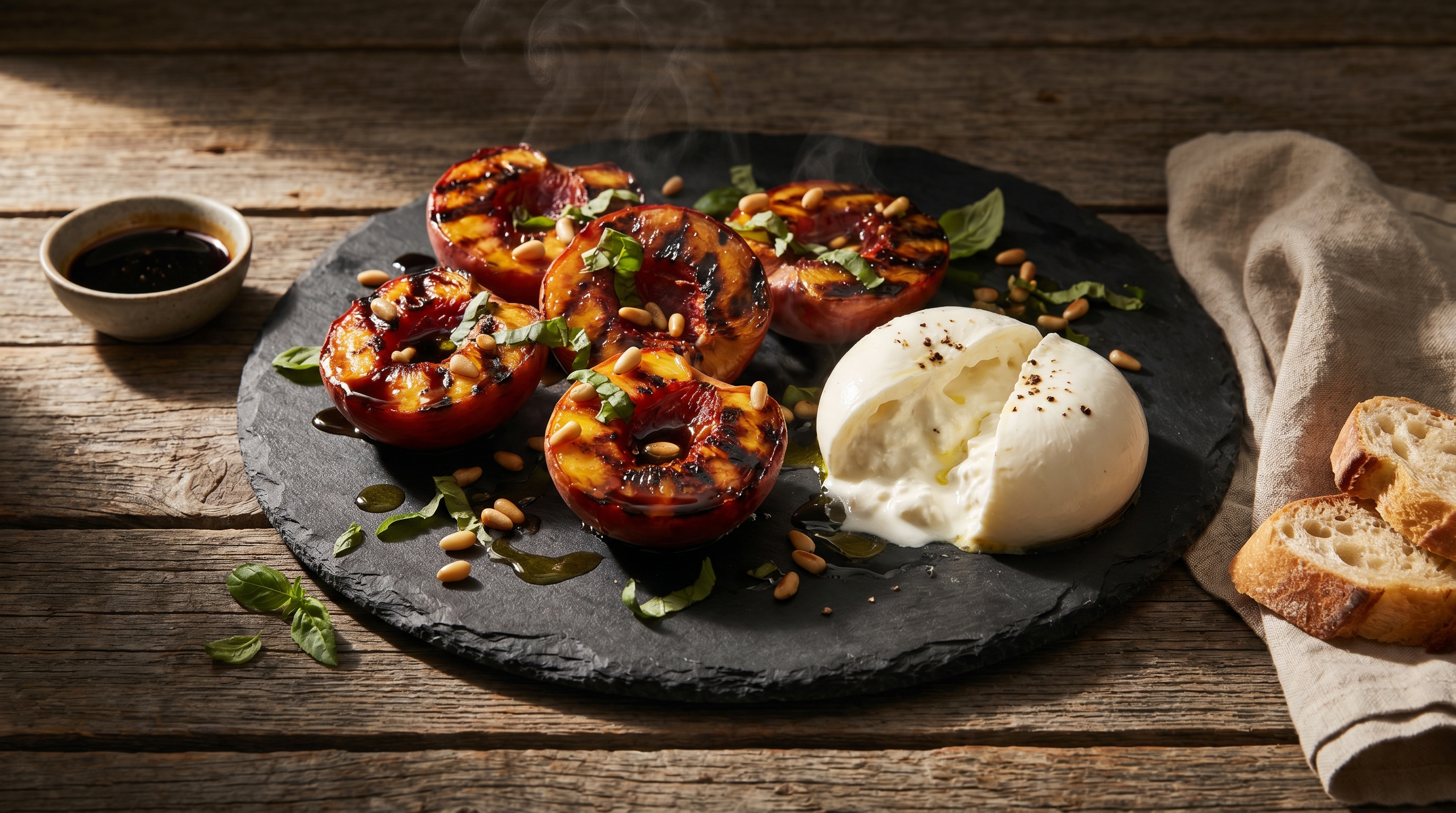

I spent $4.29 on a pint of blueberries last week. Not because they were on sale. Because they were in season, spilling out of bins at the front of the store, almost too ripe to wait another day. Two months ago those same blueberries would have cost me seven dollars and tasted like a suggestion of fruit. That's the whole argument for how to eat seasonally and save money, really. Not a philosophy. Just math plus patience.
The Part Nobody Romanticizes
There's this version of seasonal eating that involves linen aprons and farmers market hauls in wicker baskets. I am not that person. I'm the person standing in a grocery store at 5:45 PM with a toddler trying to climb out of the cart, scanning the produce section for whatever looks like it belongs here right now. Whatever's piled high. Whatever they clearly have too much of and priced to move.
That's the real trick. Seasonal eating isn't about memorizing harvest charts. It's about noticing what the store has in abundance. Abundance means lower prices. It means the tomatoes smell like tomatoes instead of cardboard. It means the stone fruit gives slightly when you press it, already warm with sugar.
Summer Makes It Easy
Winter seasonal eating requires effort. Roasting, braising, coaxing flavor out of dense roots. Summer is the opposite. Summer produce wants to be left alone. A tomato sliced thick with salt and good olive oil. Corn eaten the same day you buy it, barely cooked. Peaches grilled for two minutes until the edges caramelize, then dropped next to something creamy and soft.
The money savings come from this laziness. When food tastes good raw or barely touched, you don't need to buy ingredients to make it interesting. No cream sauces. No long braises. No expensive pantry additions. The produce IS the meal, and it costs less than it will in three months when it's shipped from another hemisphere.
What I Actually Do
I buy whatever's cheapest and most abundant. Right now that means I'm eating a lot of zucchini, tomatoes, berries, and stone fruit. I don't plan around specific recipes. I plan around what the season hands me. Some nights that's a big plate of sliced tomatoes with torn bread and olive oil, and my husband looks at me like I've lost it, but then he eats three servings.
My daughter gets berries at every meal right now. Strawberries, blueberries, whatever I can rinse and put on her tray. She doesn't know she's eating seasonally. She just knows the strawberries taste like something worth reaching for.
The Quiet Part
Here's what I think about when I eat this way. My grandmother never called it seasonal eating. She just called it eating. You bought what was there. You didn't expect peaches in January. The expectation of everything, always, all year round is actually pretty new. And pretty expensive.
I'm not saying go back to some imagined past. I'm saying notice the rhythm that's already there. The store is telling you what's in season every single week. The cheap stuff. The overflowing stuff. The stuff that smells like it's ready right now.
Follow that, and you'll spend less without trying. The food will taste better without effort. And some night this summer, you'll eat a peach so good it stops you mid-sentence, juice running down your wrist, and you'll think: why was I ever buying these in February?