

Every article about how to get kids to eat vegetables assumes you haven't already tried. Like you've just been sitting there, offering nothing but chicken nuggets, waiting for the internet to tell you about hiding spinach in a smoothie. Please.
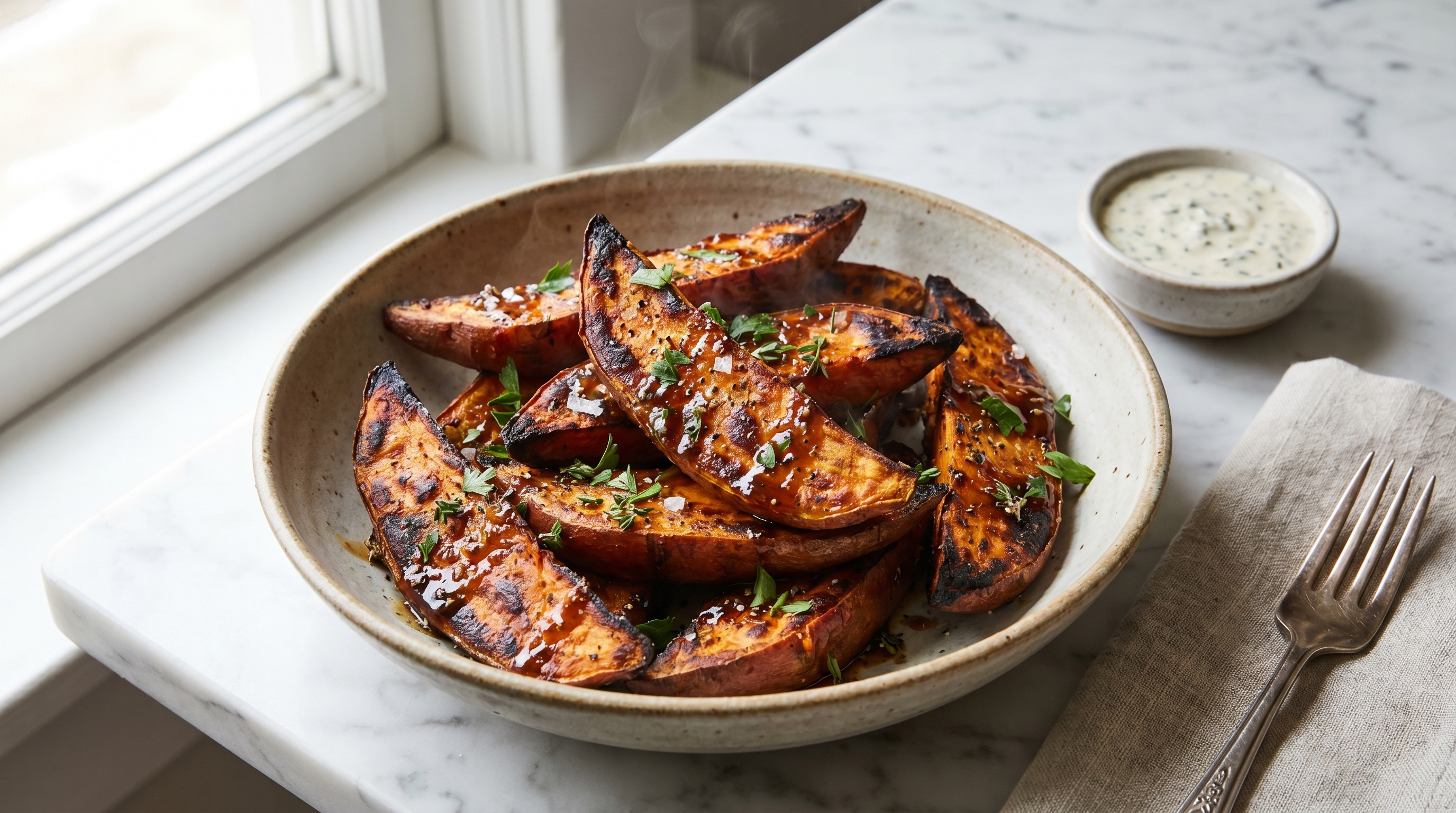
My daughter is two. She has opinions. Strong ones. The other evening I roasted sweet potatoes, cut them into little wedges she could grab, arranged them on her plate like I was plating for a restaurant. She picked one up, licked it, set it back down, and asked for strawberries.
I ate her sweet potatoes. They were incredible.
The Pressure Nobody Talks About
Here's what gets me. There's this ambient guilt around feeding your kid, like if they're not eating a rainbow by age three you've somehow failed. Meanwhile, every pediatrician I've spoken to says the same thing: keep offering, don't force it, they'll come around. But that advice lives in a vacuum. It doesn't account for the fact that you spent twenty minutes roasting something and your toddler won't even look at it.
That specific frustration. The quiet deflation of scraping an untouched plate into the compost bin. Nobody warns you how personal it feels.
What I've Actually Learned
Not from articles. From standing in my kitchen, night after night, watching what happens.
- She's more likely to try something if it's on my plate, not hers. Stolen food tastes better at every age.
- Tiny portions matter. One piece of roasted carrot, not a pile. A pile is a demand. One piece is a suggestion.
- Letting her touch food without eating it counts. Smelling it counts. Licking it and putting it back counts. I'm playing a long game here.
- Sometimes the answer is just butter and salt. A roasted zucchini with good butter is a different food than a steamed one.
None of this is revolutionary. None of it guarantees anything. That's the part that's hard to sit with.
The Thing I Keep Coming Back To
Summer helps, a little. The evenings stretch out. We eat on the porch when it's not too hot. There's less rush, which means less tension, which means she's more curious. She held a cherry tomato for a full minute the other night. Didn't eat it. But she held it, turned it over, squeezed it until it burst in her hand and she laughed.
I called that a win.
My husband looked at me like I was losing it. Maybe I am. But I think feeding a small person is less about nutrition spreadsheets and more about building trust. Trust that food is safe, interesting, worth exploring. Trust that nobody's going to be upset if she says no.
She'll eat vegetables eventually. Or she'll be one of those adults who only likes corn and potatoes and she'll be fine anyway. I can't control it. I can only keep roasting things, keep putting one piece on the edge of her plate, keep eating mine with visible enjoyment like some kind of dinner theater actress.
The performance of loving food. Hoping she catches it.
Maybe that's all any of us can do. Cook with love, serve with patience, and eat their rejected sweet potatoes standing over the sink at 7 PM. Which, for the record, is not the worst way to spend a summer evening.