

The problem with healthy eating culture isn't the vegetables. I like vegetables. I roast them, I eat them raw with hummus at my desk, I hide them in sauces for my daughter. The problem is everything that's been built around them. The morality. The performance. The quiet implication that if you're not doing it right, you're failing the people you feed.
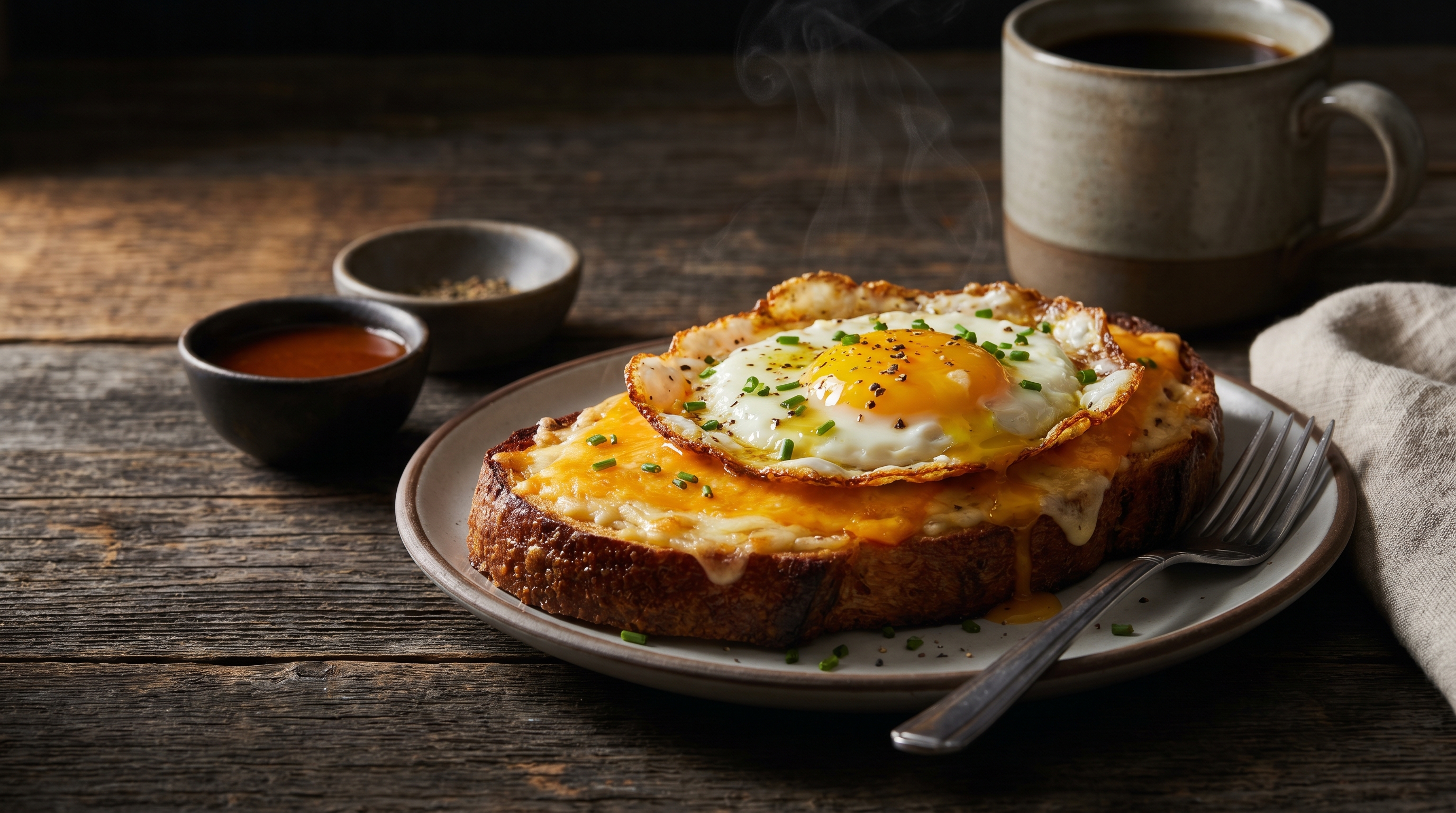
I noticed it creeping in again the other evening. I was making eggs and toast because the day had been long and I had nothing left. Not emotionally, not creatively, not in the fridge. And as I cracked the second egg into the pan, I felt it. That little pulse of guilt. Like I should be doing more. Like eggs and toast isn't enough.
Where does that come from? I know where. It comes from the same internet that shows me thirty-ingredient smoothie bowls at 6 AM, meal preps that look like a magazine shoot, and influencers who say things like "I just prioritize nourishment" as if the rest of us are out here prioritizing poison.
When "healthy" becomes a judgment
Here's what I've been thinking about. Somewhere along the way, "healthy eating" stopped being a description and became an identity. A way to signal that you're a good parent, a disciplined person, someone who has their life together. And once food becomes a signal, it stops being food. It becomes a test you can pass or fail.
My daughter is two. She loves strawberries and buttered noodles and sometimes she eats three bites of dinner and asks for more milk. That's normal. That's fine. But the culture around feeding children makes it feel like I should be anxious about it. Like every meal is either building her palate or damaging it forever.
That's too much weight for a plate of food to carry.
What I'm trying to unlearn
I'm trying to separate nutrition from virtue. They're not the same thing. A bowl of cereal for dinner doesn't mean you've given up. A salad for lunch doesn't make you a better mother. Food is fuel, yes, but it's also comfort, culture, memory, convenience, pleasure. It gets to be all those things without earning a grade.
The light is staying later now. The windows are open while I cook. Everything feels a little less heavy, and I want my relationship with feeding my family to match that feeling. Lighter. Less loaded.
So I made eggs and toast the other night. My husband ate his standing at the counter. My daughter dipped her toast in the yolk and got it in her hair. Nobody photographed it. Nobody praised me for it. Nobody shamed me either.
It was just dinner. That was enough.
The question I keep sitting with
If we stripped away every voice telling us what dinner should look like, what would we actually want to eat? Not what's optimized. Not what's performative. What would feel good in your hands, in your mouth, at your table, on a night when you're just trying to get everyone fed before bath time?
I think the answer is simpler than we've been told. I think most of us already know. We just need permission to trust it.