

Here's what meal planning taught me about control: it has almost nothing to do with food.
I figured this out the other evening. The light was that particular shade of summer gold that makes everything in your kitchen look like a painting, and I was standing at the counter with my meal plan open on my phone, staring at the words "grilled chicken, rice, salad" like they'd personally offended me.
Nobody wanted grilled chicken. Not me, not my husband, not my daughter who was systematically peeling a string cheese into threads so thin they were practically invisible. The plan said chicken. The plan was wrong.
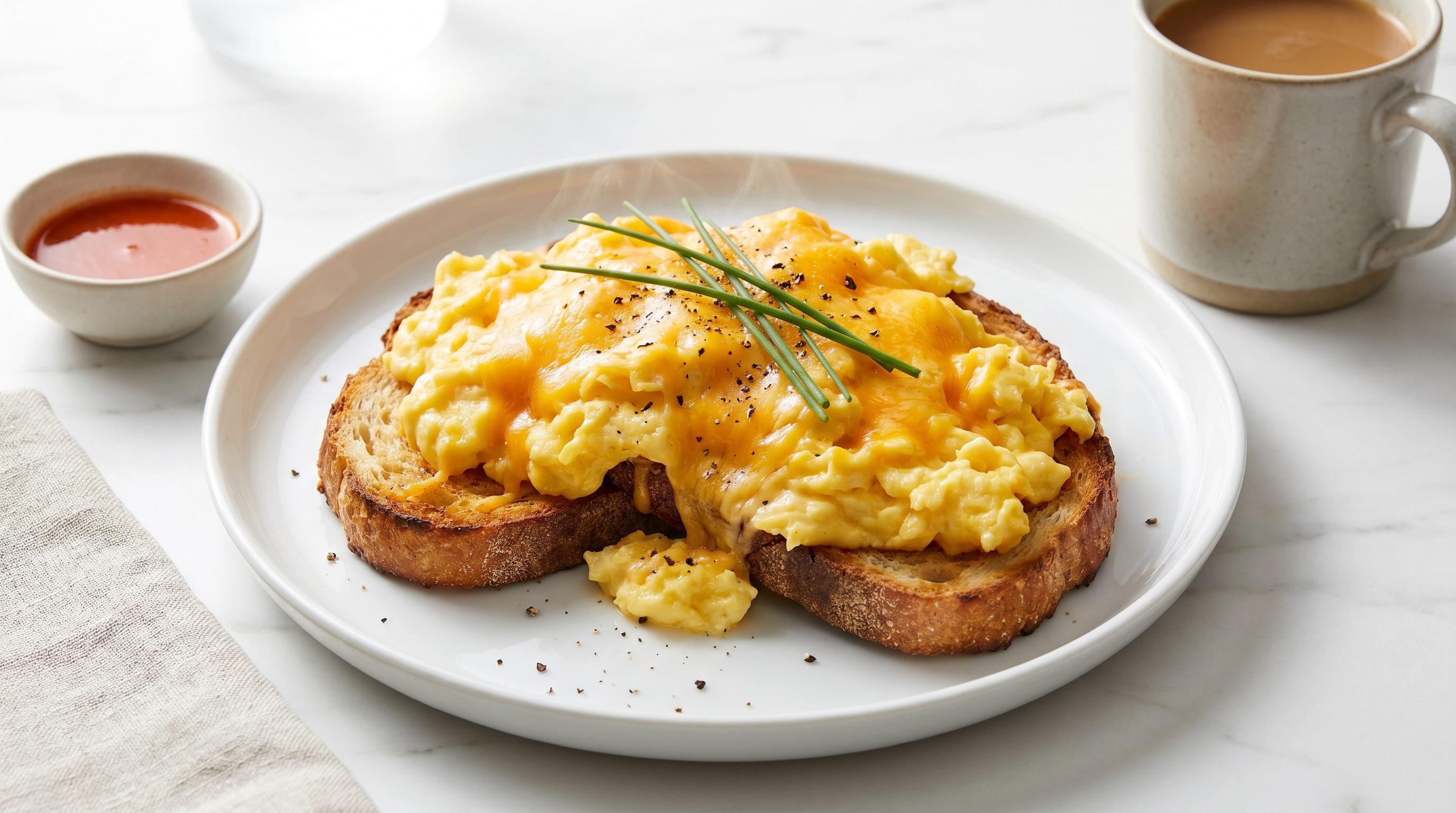
So I made eggs. Toast. Whatever cheese was left in the drawer. Breakfast for dinner, the eternal rescue.
And while I cracked eggs into the pan, I thought about why I started meal planning in the first place. It wasn't really about saving money, though it did that. It wasn't about eating healthier, though sure. It was about the feeling that if I could just organize this one thing, this relentless daily question of "what are we eating," then maybe I could hold everything else together too.
The Illusion of the Perfect Week
When I first started planning meals, I filled every single night. Seven dinners, mapped out, ingredients bought. I treated blank spaces like failures. If there wasn't a plan, there was chaos. If there was chaos, I was doing it wrong.
That lasted about three weeks before I burned out completely.
Now I plan four nights. Maybe five if I'm feeling ambitious. The rest stays open. Leftovers, eggs, a bowl of cereal my husband is thrilled about, or sometimes we just eat watermelon and cheese on the porch because it's summer and the sun doesn't set until nine and nothing feels urgent.
Those blank nights used to scare me. Now they're my favorite part of the plan.
What It's Really About
Control is a strange comfort. You grip it tight because loosening your hand feels like falling. But cooking, feeding a family, raising a two-year-old who changes her mind about what she'll eat roughly every forty-five minutes. None of it stays still long enough to be controlled.
My daughter loved cucumbers for two weeks straight. Then one morning she looked at a cucumber like it had said something rude to her and hasn't touched one since. There's no plan for that. There's only adaptation.
The meal plan isn't a contract. It's a suggestion I'm making to my future self, who may or may not listen depending on how the day went. Some nights the plan holds. Some nights it doesn't. Both are fine.
The Part Nobody Says
Planning gives you permission to not think. That's the real gift. Not control. Relief. On the nights when you follow the plan, your brain gets to rest. On the nights when you don't, you've still got the confidence of someone who knows there are eggs in the fridge and that's enough.
I used to think being good at this meant never deviating. Never wasting food. Never looking at my carefully written list and choosing chaos instead.
Now I think being good at this means knowing when the plan serves you and when you serve the plan. Those are very different things.
The eggs were perfect, by the way. My daughter ate every bite. My husband had seconds. Nobody missed the chicken.
Sometimes the most controlled thing you can do is choose to let go.